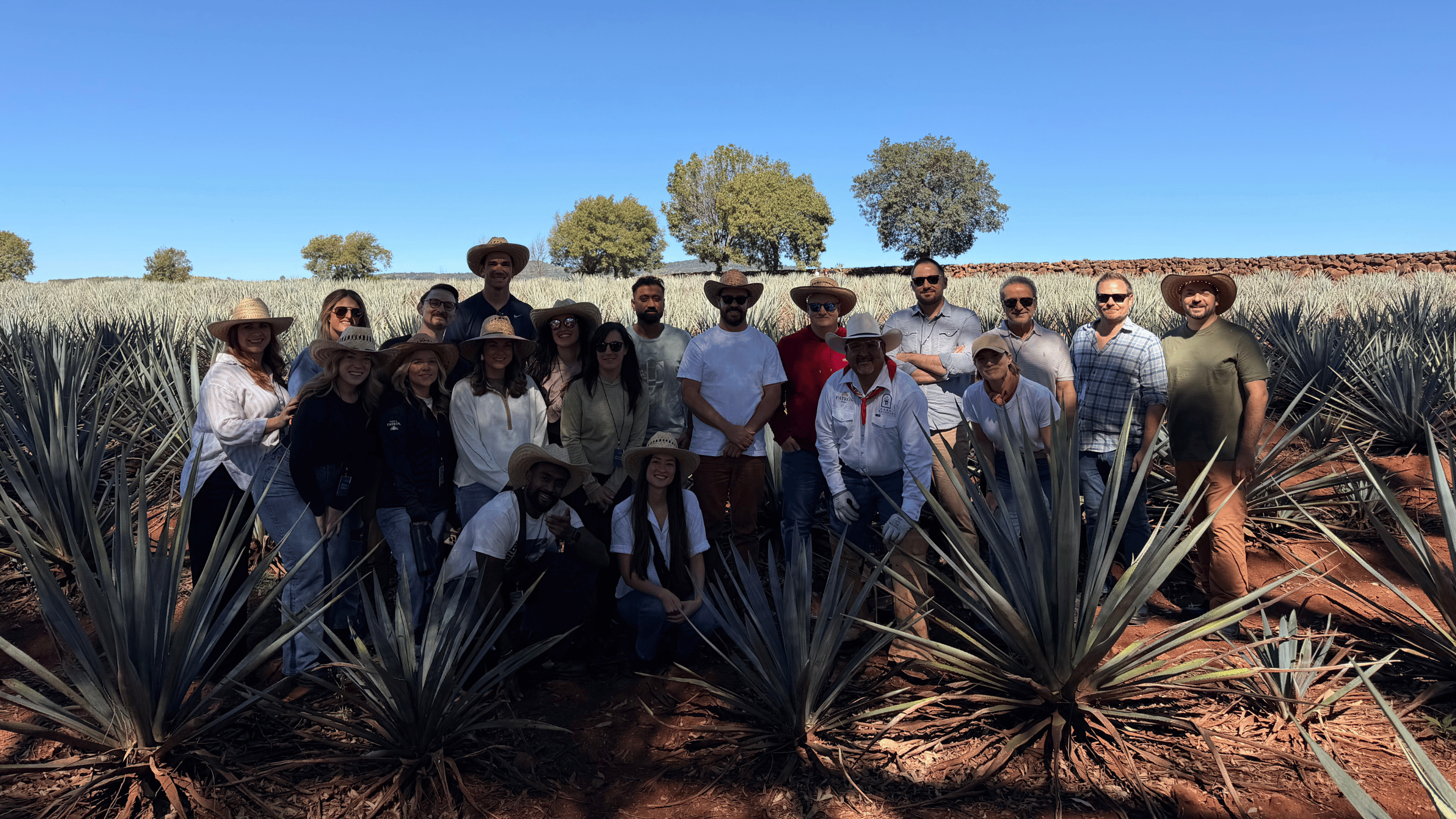
A blue Weber agave spends at least six years in the red soil of the Jalisco highlands before a jimador cuts it down, and Patrón says the heart of a single plant yields enough juice for about one case of tequila. Wax and Tracks knows that rhythm well. A festival gets built the same way, season after season, with most of the work out of sight until the gates open.
On Oct 21 to 23, Wax and Tracks co-founder Jessie Kelkenberg toured Hacienda Patrón in Atotonilco El Alto, Jalisco, with her sister Elizabeth, a seasoned bartender who poured behind the bar at this year’s festival. The invite-only trip was hosted by Bacardi and Patrón Tequila, and Wax and Tracks wants to say a sincere thank you to both for the invitation and for the care they put into every hour of it. Pepe, an engineer by training who leads four or five tours a week, guided the group from the first agave field to the last taste test, and his name runs through this story because the whole visit ran on his wealth of knowledge.
What follows is Jessie’s account of the trip, drawn from Pepe’s walk-through and Patrón’s own materials.
WHERE THE PLANT GROWS
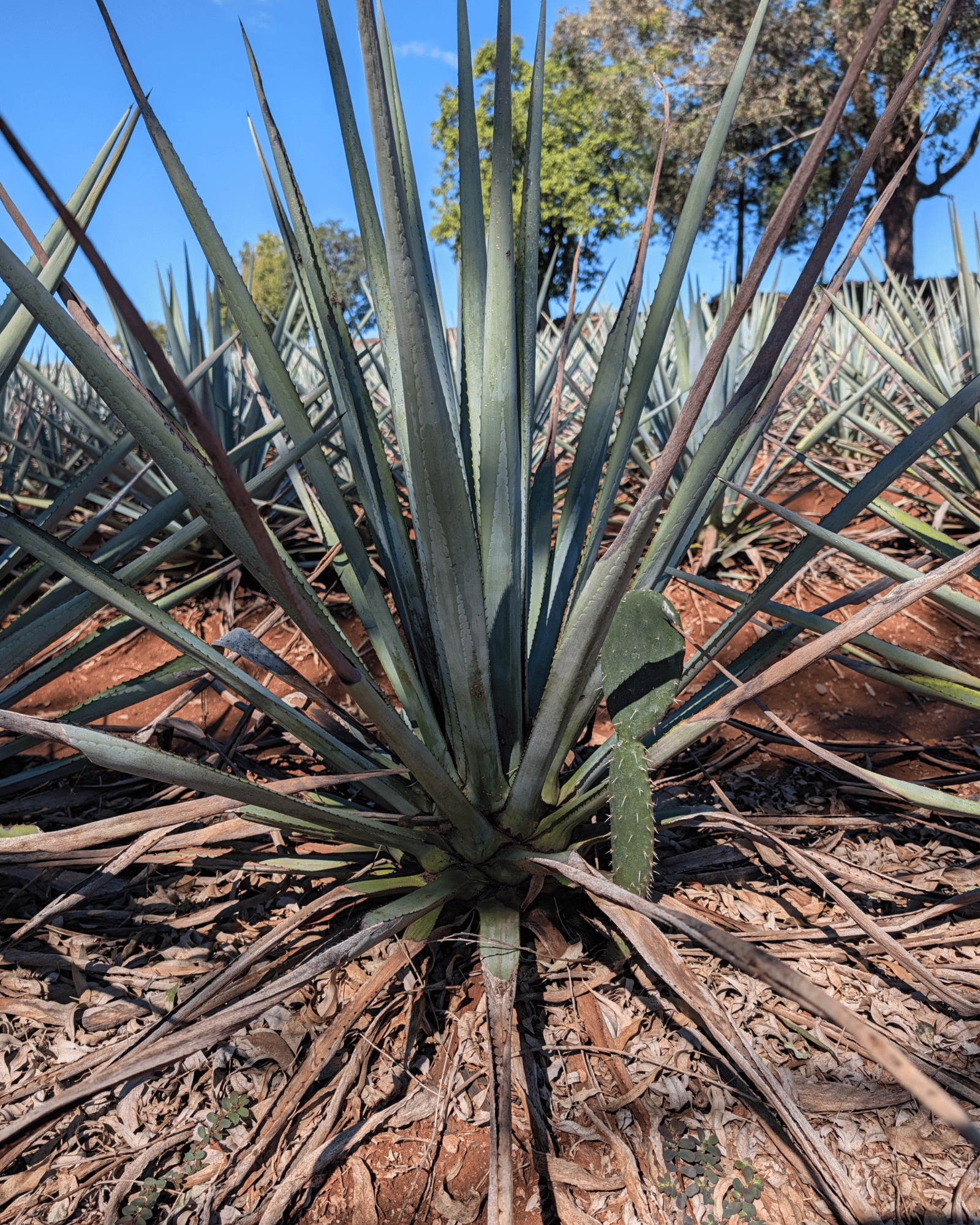
The tour began outside in the highlands, where the October sun was warm without being heavy and mountains rose behind the fields. Around 250 types of agave exist, Pepe explained, and only the blue Weber can legally become tequila. The Highlands’ cooler nights slow the plant’s growth, so it matures over a longer period and builds significantly higher sugar concentrations. The red, iron-rich soil adds to the effect, and highland agave tends to run sweeter than agave from the valley. All of that sugar takes time, at least six years of it.
Every plant is registered with the Tequila Regulatory Council, and when a crop dies or falls sick it has to be replaced, since the council will not let a harvest move on until every plant is accounted for. Replacing plants is down to a science.
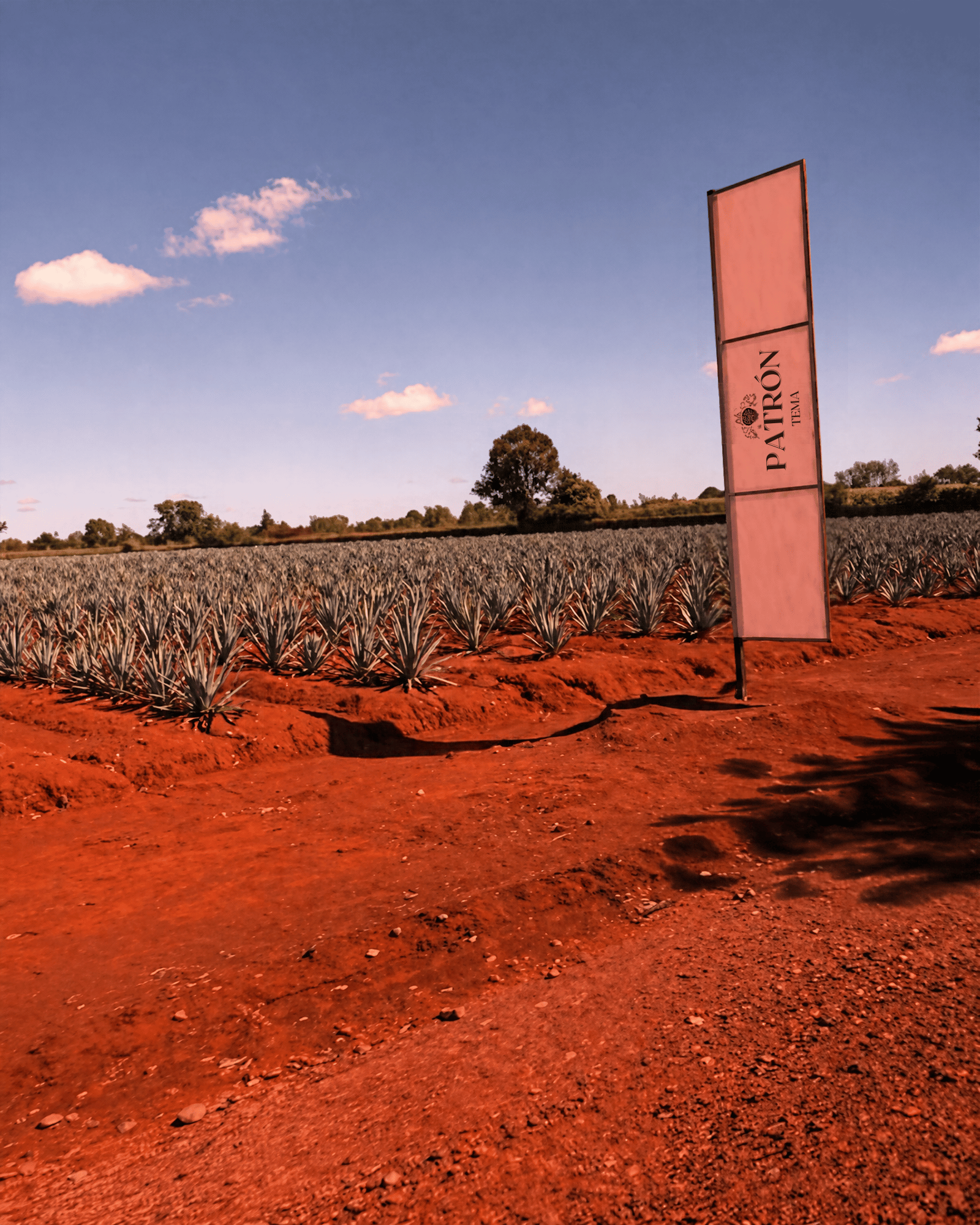
New ones mostly start as hijuelos, the pups that sprout around a mature agave, and a single plant can send up as many as seven. Farmers sort them by size using fruit, from lime to orange to grapefruit, and the pups either grow new crop or replace sick plants.
Timing the harvest takes a trained eye. When a plant nears ripeness it sends up a flowering stalk called the quiote, which can climb half a meter in a day. The crew cuts it right away, because left alone it would drink the sugar the plant spent years storing. The other signs are quieter: the leaves change color, the plant reaches full size and the leaves at the center grow shorter.
THE JIMADOR AND THE CUT
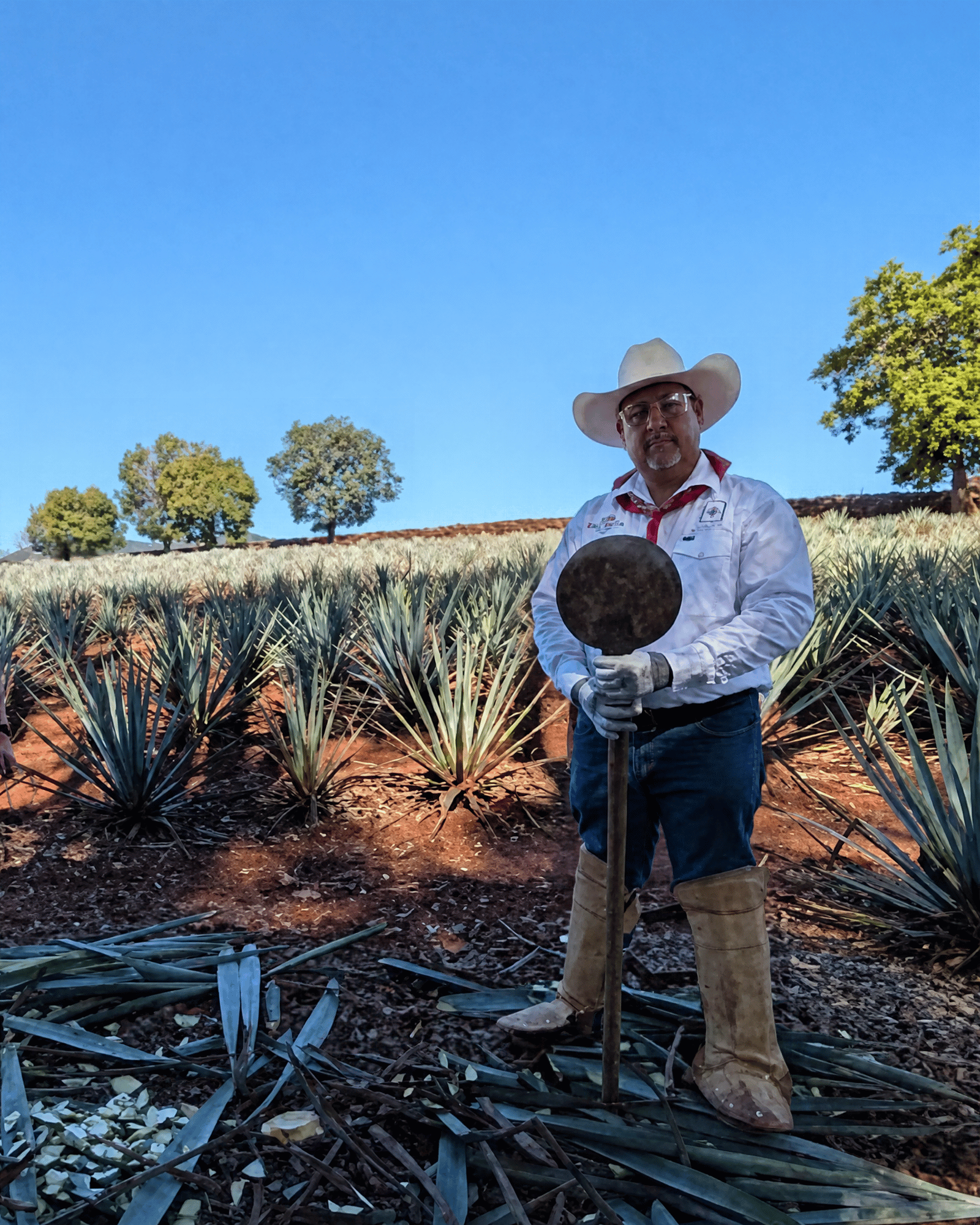
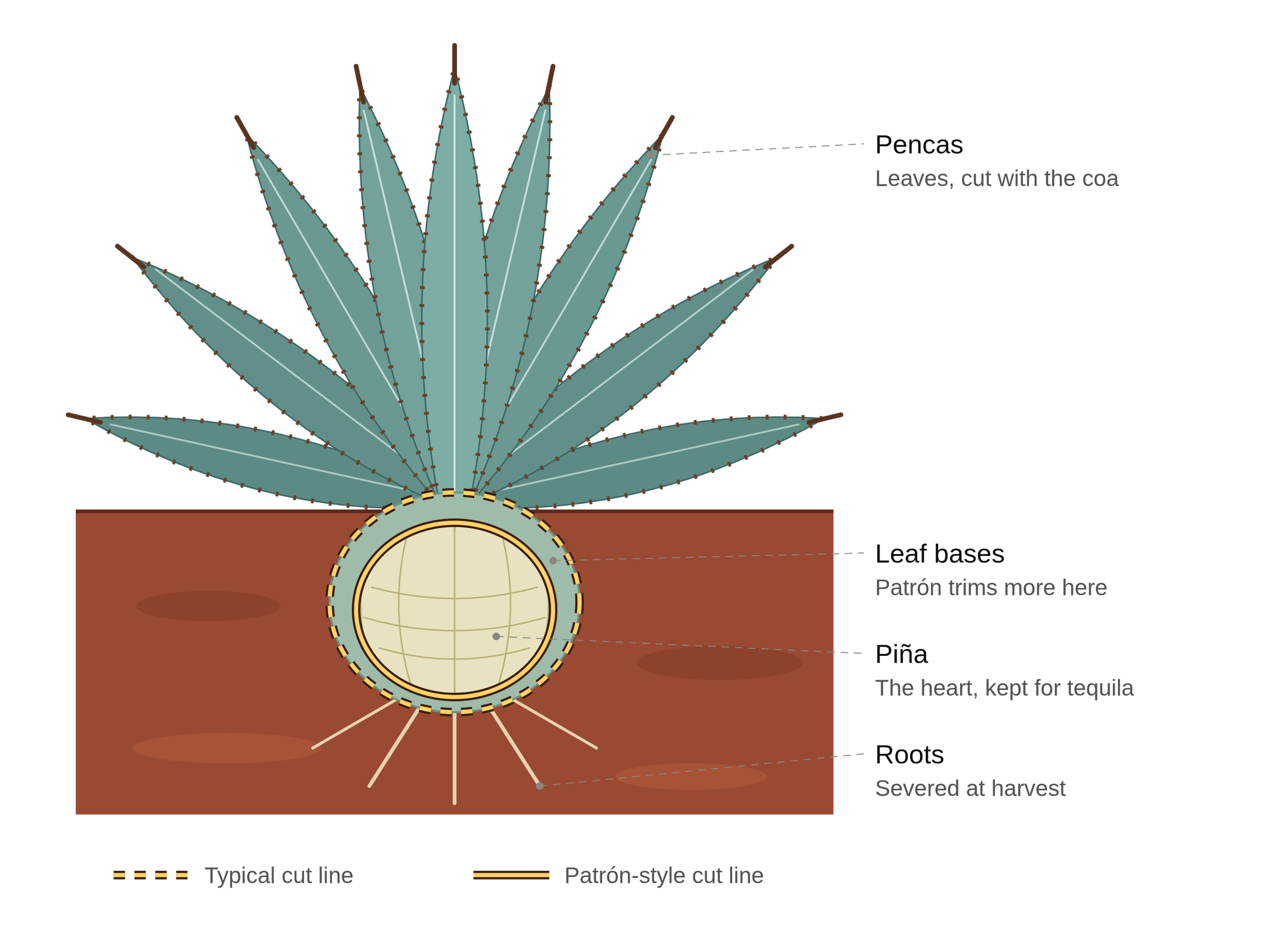
A jimador demonstrated the harvest with a coa, a long-handled blade sharpened before every single plant. One worker can bring in up to eighty agaves in a day. The demo compared the regular way of trimming with the Patrón way. According to Pepe, the standard cut leaves more flesh where the leaves meet the heart, while Patrón cuts closer, which sheds weight and takes longer, so the farmers who work this way are paid more. Careless leaf trimming can lead to bitter tequila.
Once the leaves are gone, what remains is the heart of the plant, called a piña because it looks like a giant pineapple. That heart is the only part that becomes tequila.
THE HACIENDA FLOOR
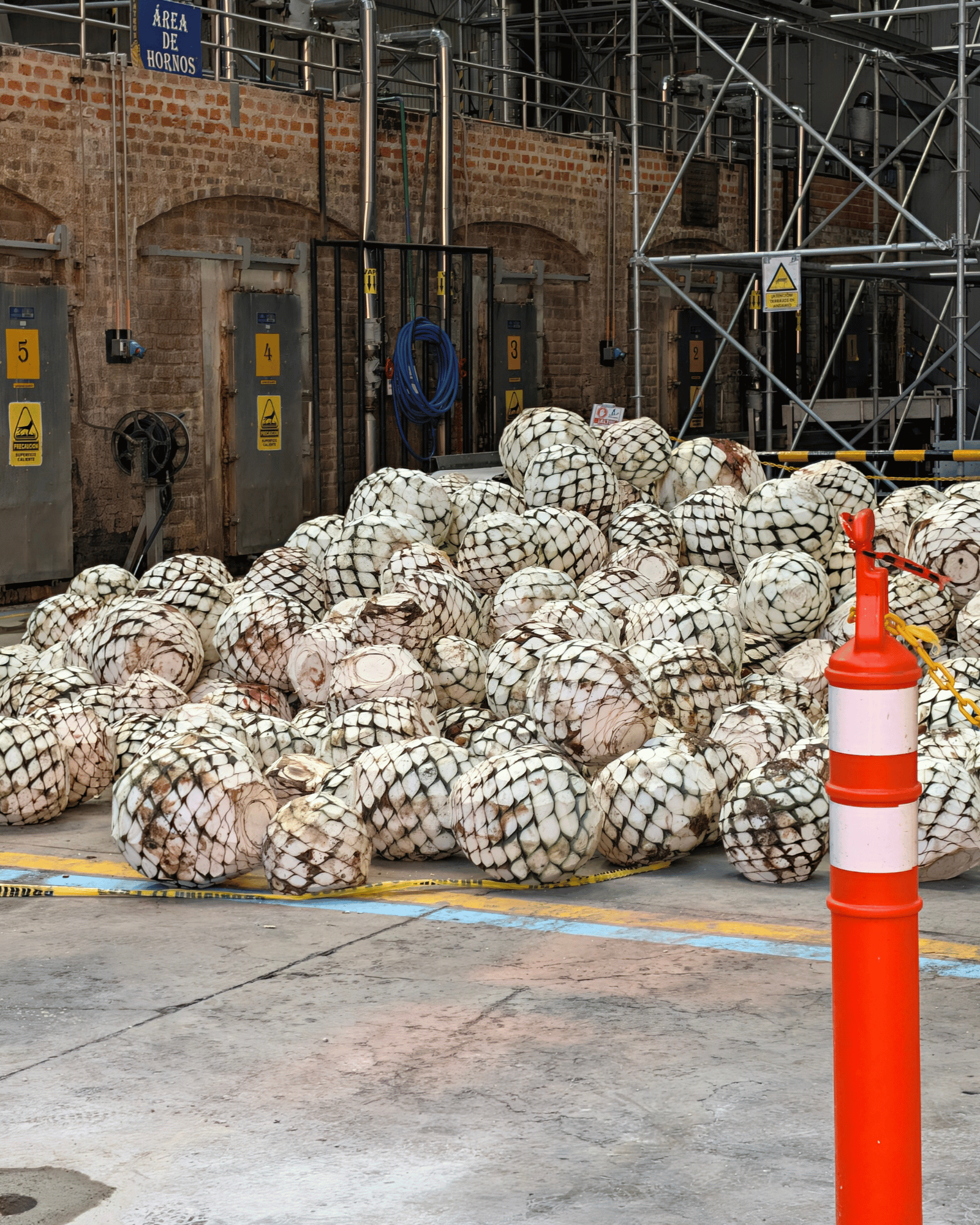
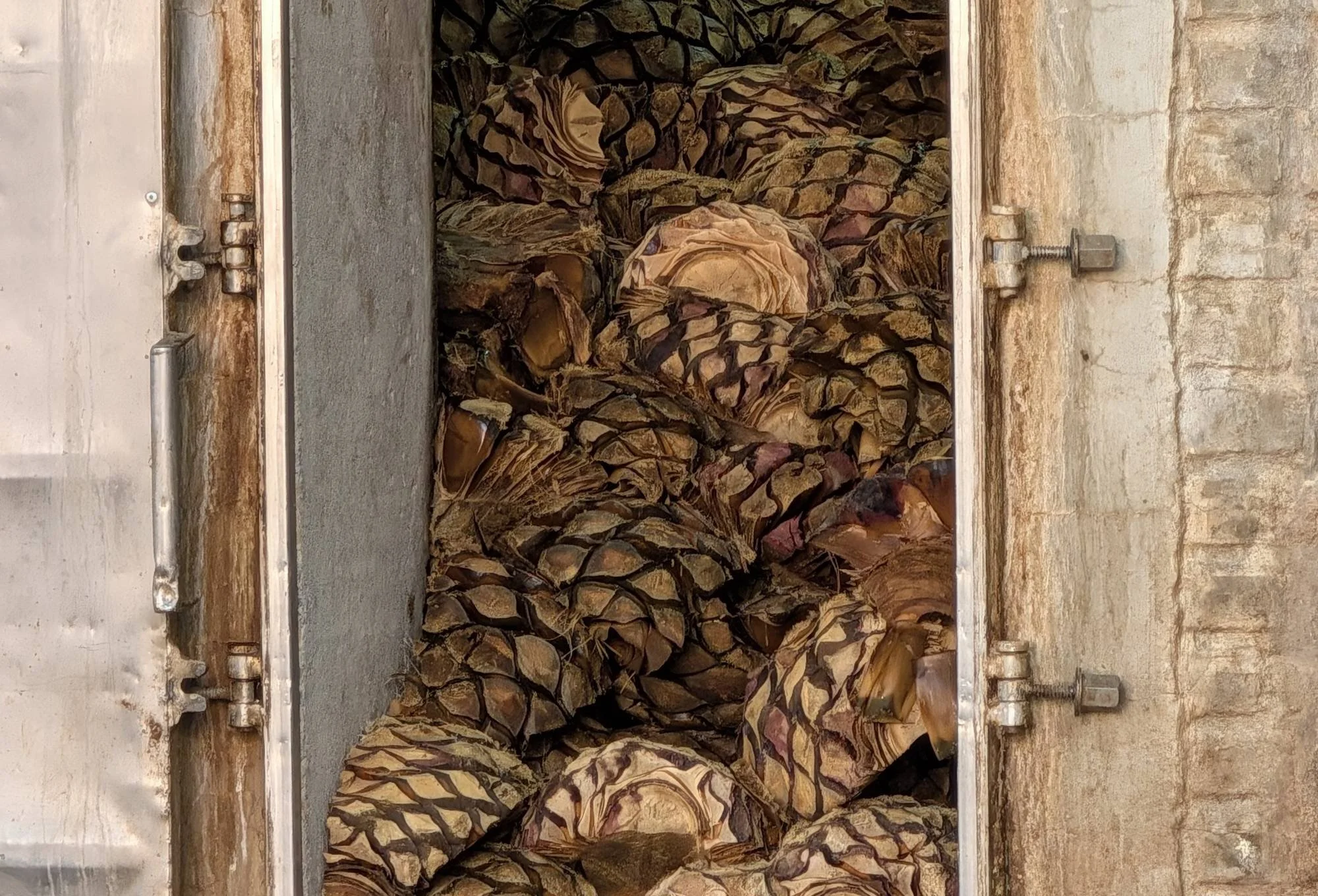
The tour moved to the ovens, a row of brick doors under a sign reading Área de Hornos. Each door carried a number and a yellow warning for hot surfaces. Oven 7 held pale green piñas that looked freshly cut, while the doors beside it showed hearts gone dark and caramel brown. Out front, workers in shin guards and hi-vis shirts split piñas with long-handled blades and fed the pieces up a conveyor and into the oven, where baking turns the starches into sugars.
I tasted undercooked agave. It chewed like shredded leather with a mild bitterness I did not mind, and the group was told it is good for digestion. The baked agave smelled to me like thick molasses, sweet and caramelized.
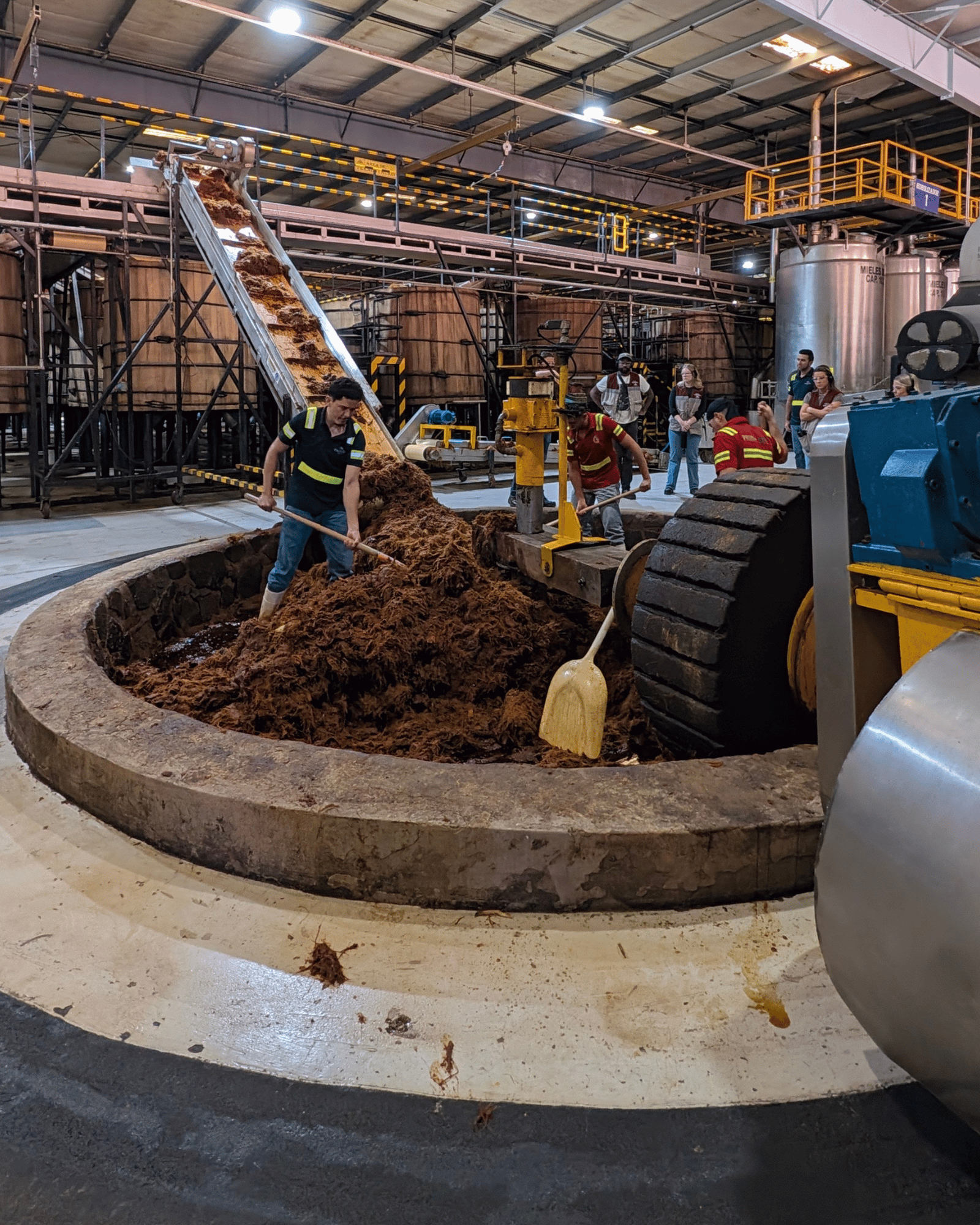
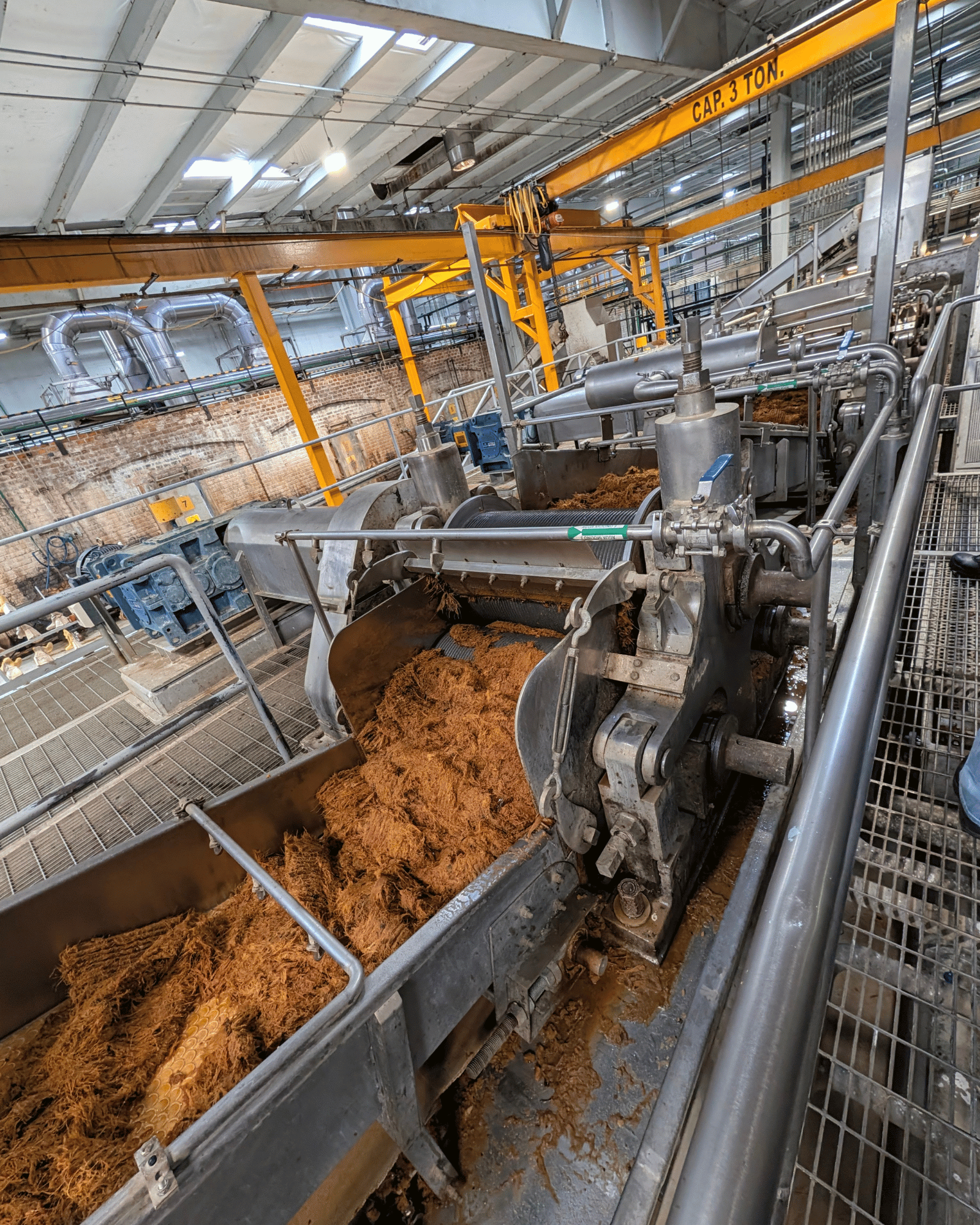
Once the hearts had cooked down, they moved over to be crushed two ways, by a modern roller mill and by the tahona, a wheel of volcanic stone that weighs up to two tons. Patrón says the tahona takes about three hours to crush seven tons of agave, while the roller mill handles 14 tons in an hour. Only about 30 tahonas exist in the world and Patrón owns 18 of them, and each wheel lasts about three years.
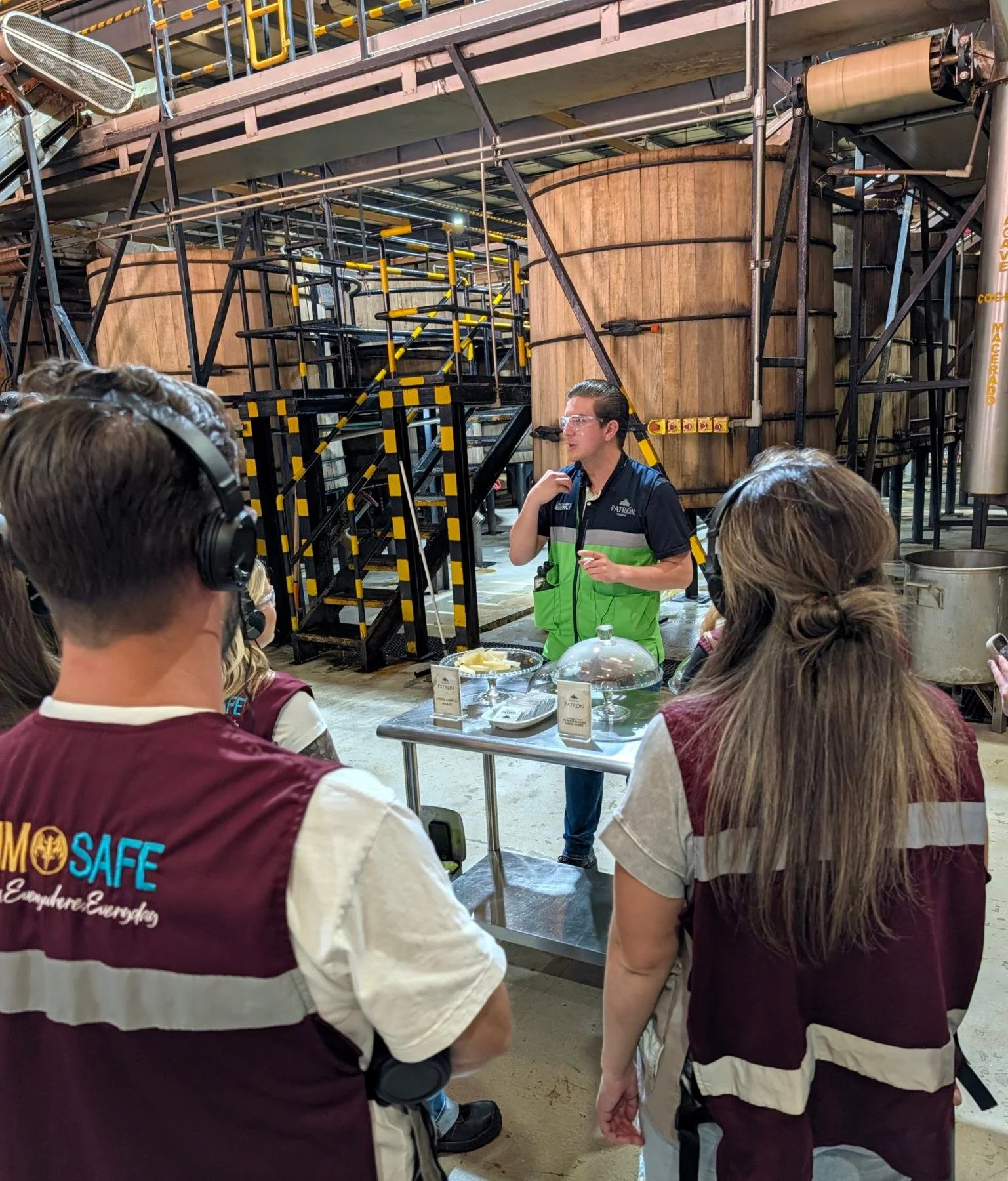
On the day of the visit the tahona sat idle while the conveyor ran, and workers scooped the crushed pulp, called bagazo, onto the belt. The work here is labor intensive. Crews chop piñas to fit the ovens, shuck by hand and scoop and haul the fibers from the tahona, so Patrón requires injury-prevention stretches before each shift and keeps a physical therapist on site. The room ran loud enough that every guest wore headphones tuned to Pepe’s microphone, so his voice arrived as one steady line inside the noise.
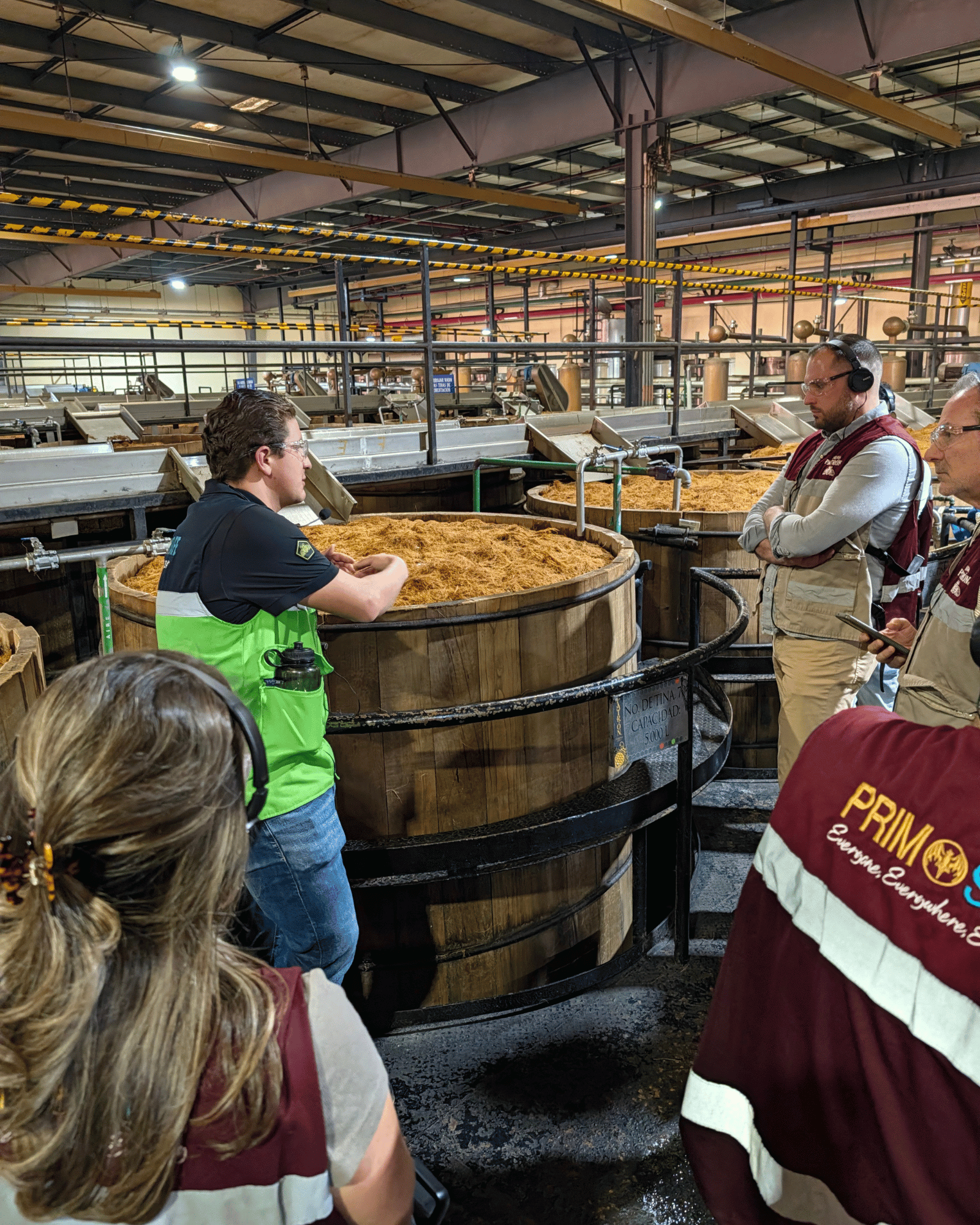
The fermentation room smelled sour in a way that was not unpleasant. The crushed fibers stay in the juice inside Mexican pine tanks, fermented with a yeast strain Patrón keeps under wraps. Five ingredients go in: agave juice, the crushed agave fiber, honey from the cooking process, water and the yeast, which is grown up in stages and moves to a bigger vessel every 24 hours. The yeast eats the sugar in the juice and turns it into alcohol. Fermentation runs about three days, and the pine tanks last only about four years.
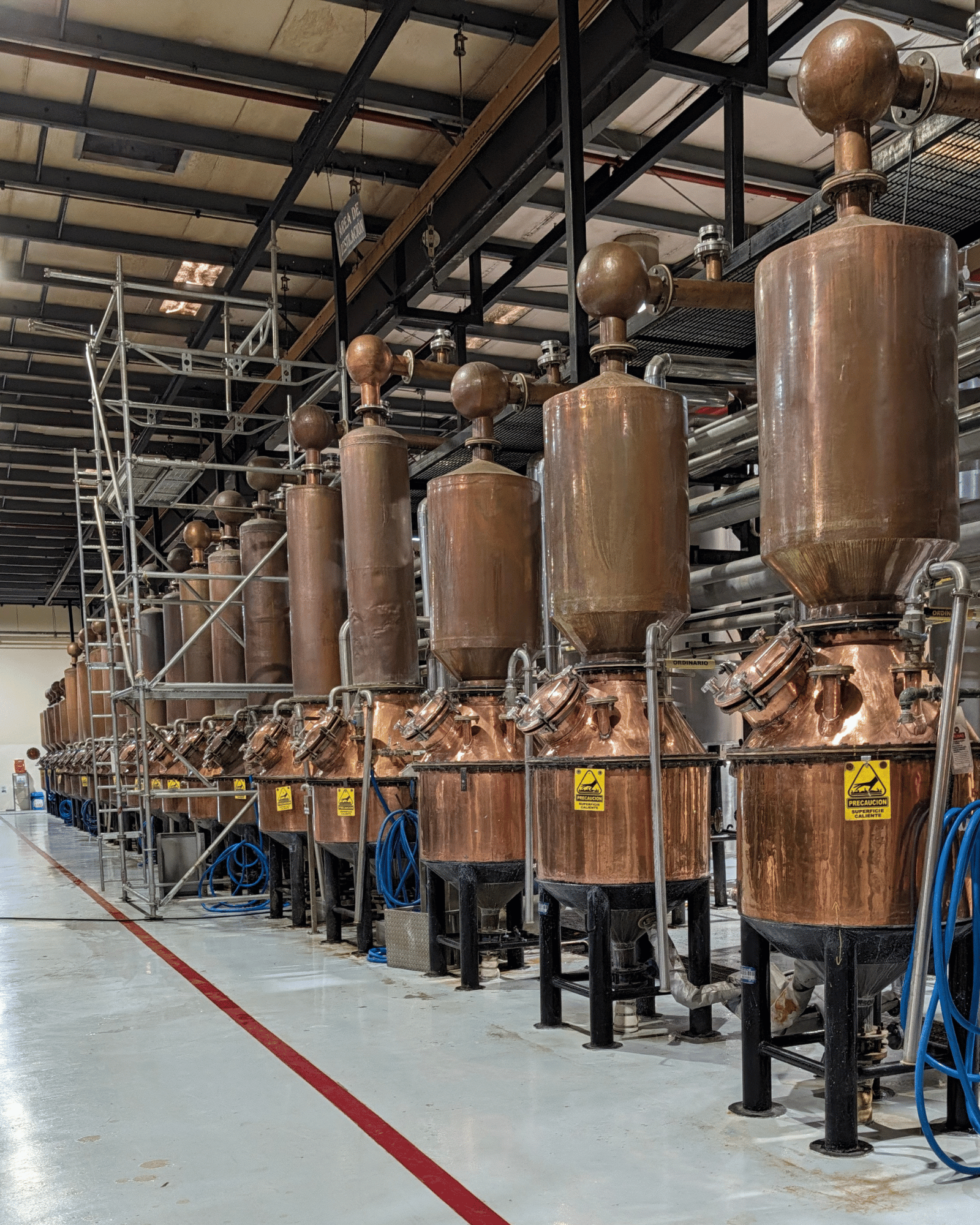
Distillation runs through copper pot stills. The fermented fibers feed the stills, where the liquid turns to vapor, and the first distillation reaches only about 40 proof, or about 20 percent alcohol. The second pass runs without fibers. Each run separates into heads, hearts and tails, and the heads and tails, the harsh ends, get cut away while only the middle moves on. Copper reacts with sulfur, so every batch is tested for safety, and quality control runs through every step. Once the liquid had been distilled, the smell changed completely, and when I leaned over it a sharp bite of alcohol came up.
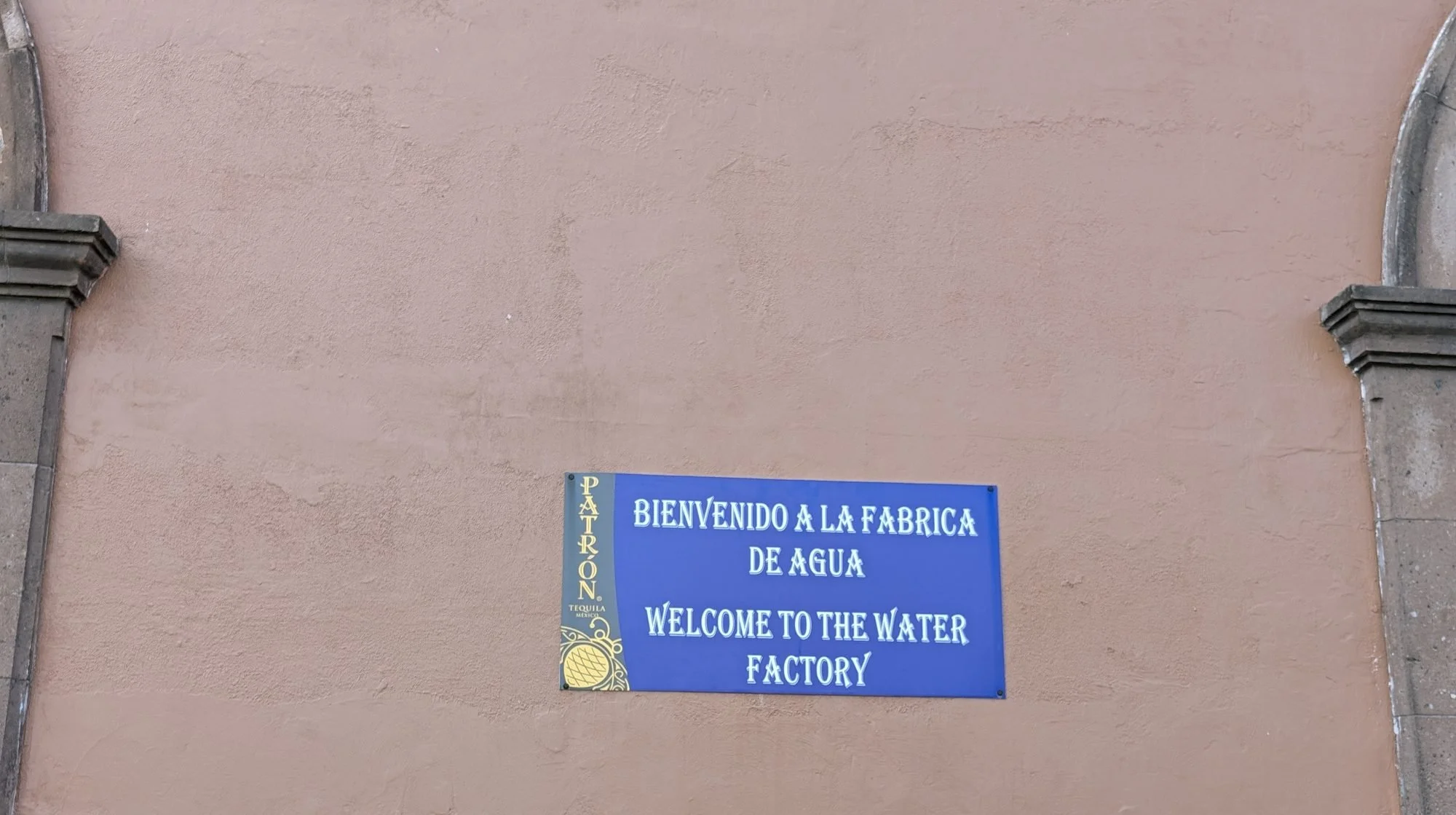
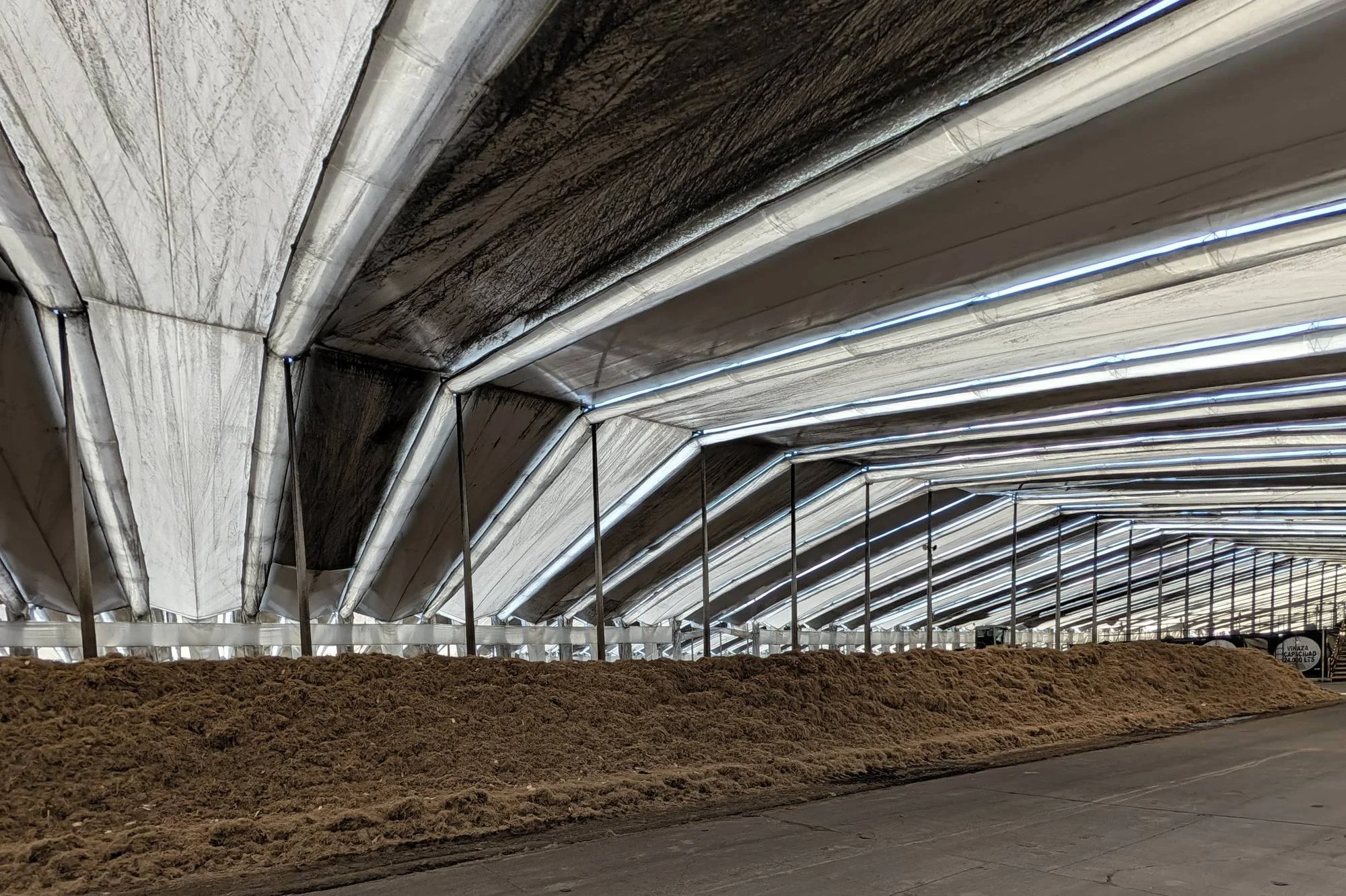
Pepe described a water recycling system and a compost operation larger than the production building. The leftover liquid from distillation, called vinaza, goes to a separate building for reverse osmosis, and the cleaned water returns to the facility for boilers and irrigation rather than to production. The compost operation turns out about 13 tons a week, lots of it going back to the farmers.
The bottling hall came after the stills. Bottles rode the conveyor lines in trays and workers in hi-vis vests stood at stations along the floor. The distillery produces 3.5 million cases a year, and the United States accounts for 85 percent of tequila consumption. Patrón says each bottle is pre-rinsed with tequila before it is filled, labeled by hand once it is full and sealed with a natural Portuguese cork. Pepe said every single bottle of Patrón is touched by hand, whether that is quality control, putting on the labels or boxing. Standing at the edge of the line, I could see where those hands come from: women sat at stainless steel tables along the conveyors handling bottles one at a time.
Pepe greeted every person he passed on the floor with the same respect he gave the guests. I noticed and admired how the brand let its people and its product do the talking. When the group left, everyone waved at the individuals on the bottling line, and they happily waved back.
THE TASTING
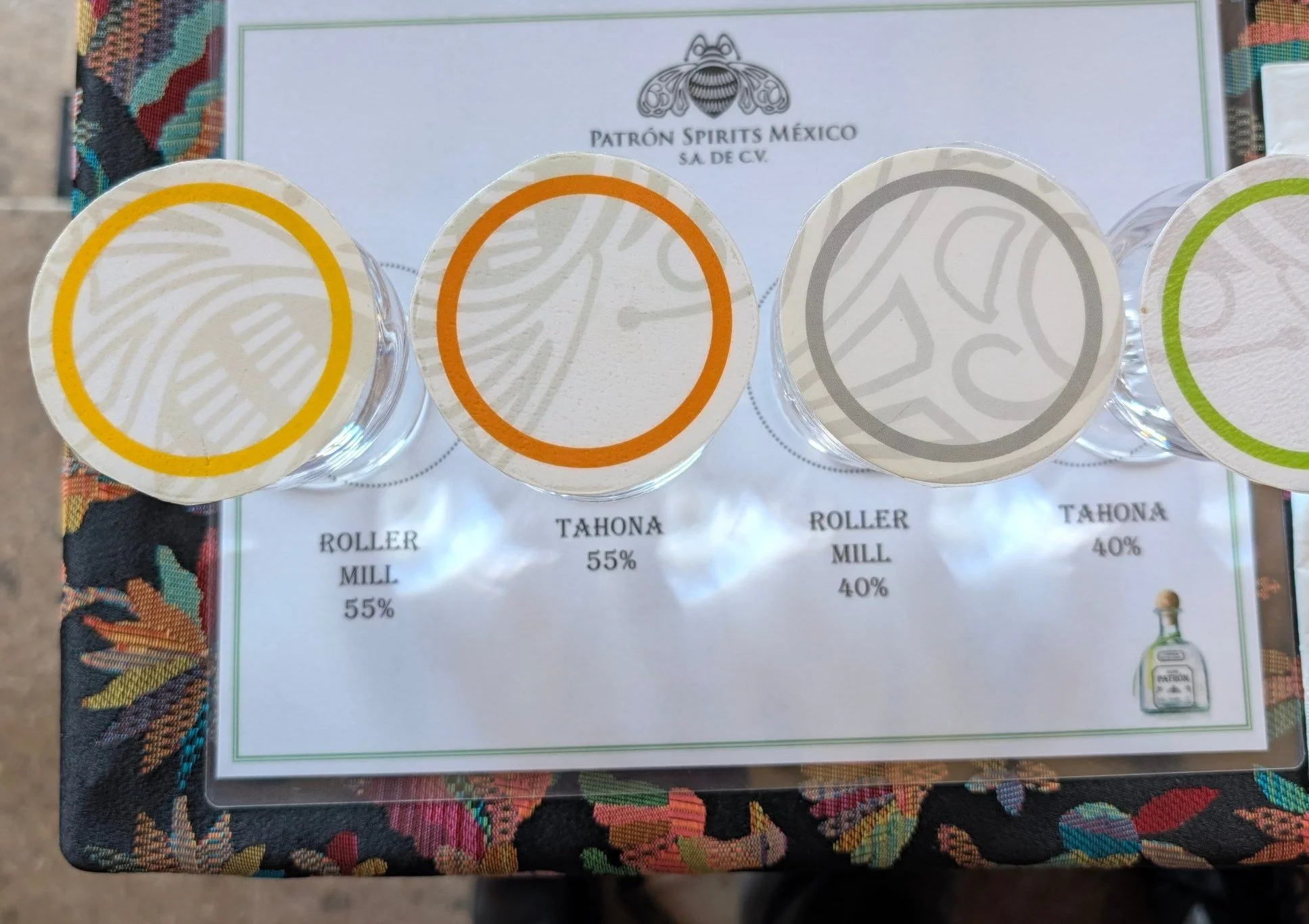
The tasting came in two rounds. The first was a guided blending session. The 55 is the strength straight off the still, and the 40 is what it becomes after water is added. The group tasted four samples in order: roller mill at 55 percent alcohol, tahona at 55, roller mill at 40 and tahona at 40. Then came the comparisons, roller mill at 55 against roller mill at 40 and tahona at 55 against tahona at 40. From there each guest built a personal blend. I started from the tahona at 40 percent and adjusted by smell until it turned warm, smooth and almost buttery, which made it hard to put down before lunch.
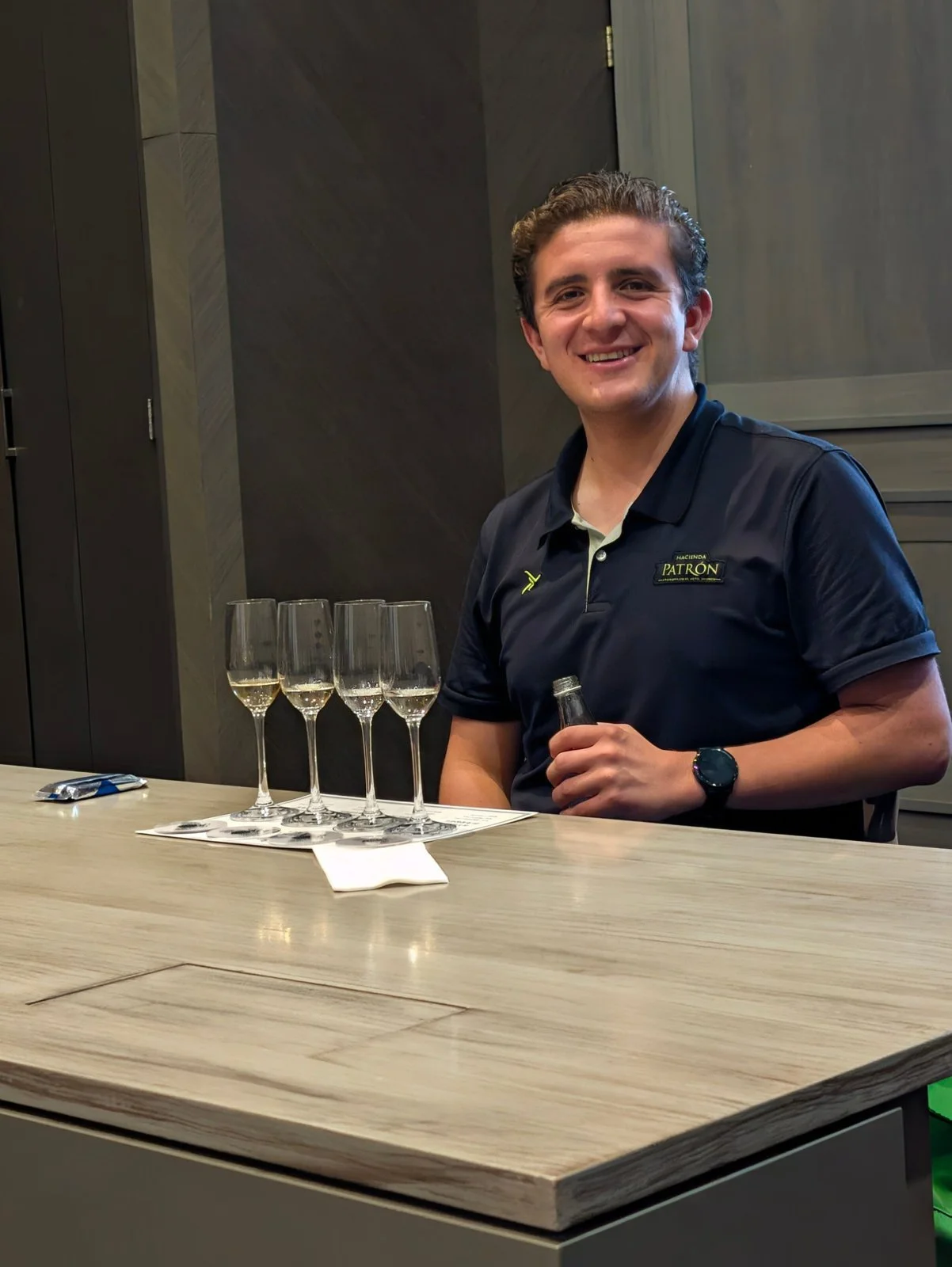
The second round was a barrel flight led by Pepe at the tasting bar. Tequila is sorted by how long it rests in oak. Blanco is unaged, reposado rests from a couple of months to a year and añejo rests more than a year. Four glasses sat in a row on a Patrón card, each labeled with a different barrel: hybrid, used American, French and American oak. The first glass was bright with citrus, and as the flight moved toward the aged barrels the tequila turned warmer and softer. Everyone’s palate runs different, and I gravitated toward the añejos.
My pull toward añejo has history. When I managed a bar, Roca Patrón was on the back bar, and I loved it, partly for the process behind it, since Roca is made entirely with the tahona, and partly for the centuries-old tradition behind that method. On this trip I learned that Patrón is bringing Roca back. While a release date has not been announced yet, I still am thrilled for its return.
HOTEL LA CASONA
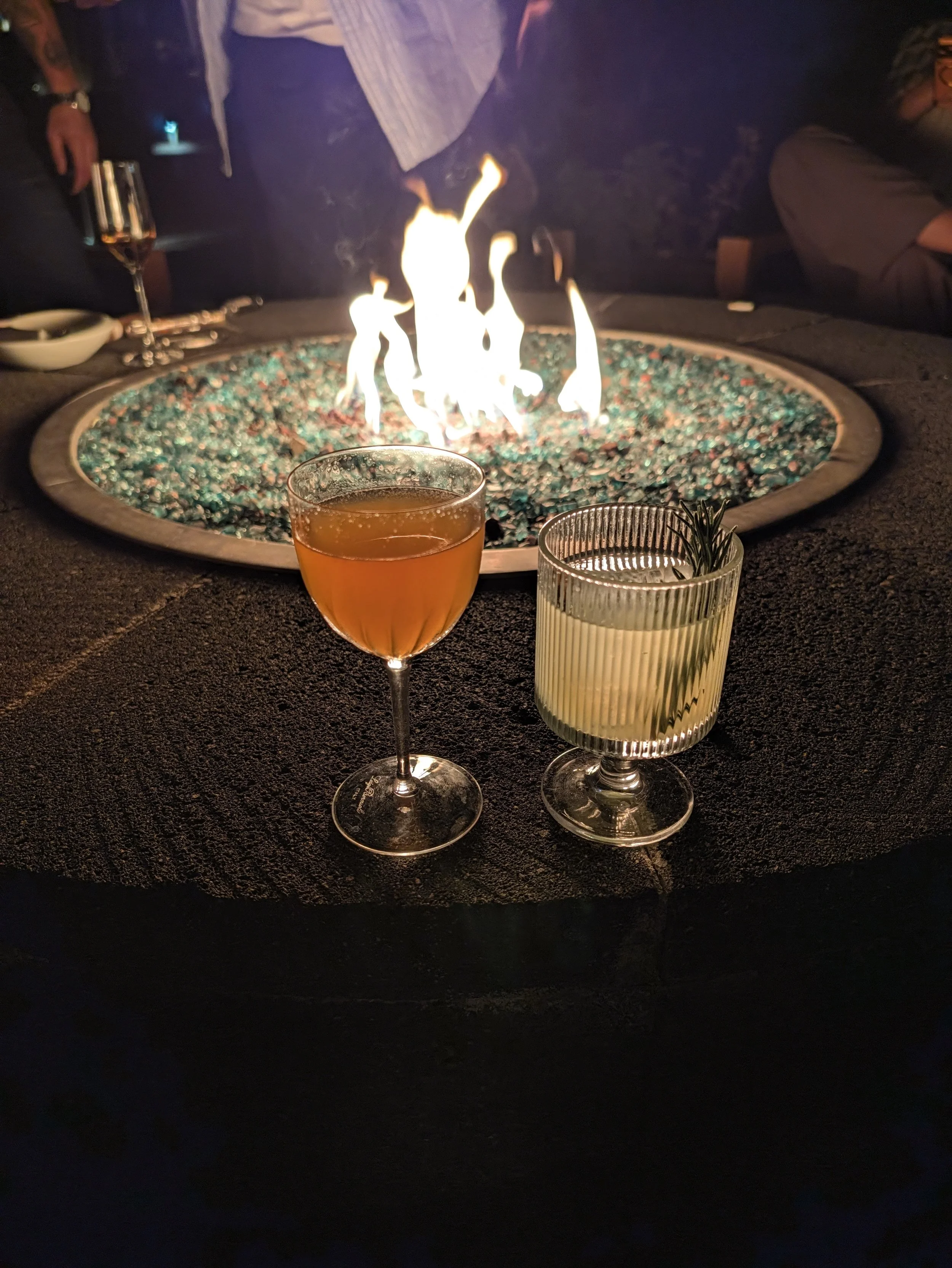
The first night ended on the hacienda terrace beside a fire pit, and the hotel kept a cafe open around the clock for Mexican coffee, with staff greeting guests whenever they passed and carrying the luggage out at the end. Dinner closed with a mariachi band in gold-thread suits, who played a version of a classic rock favorite rewritten around the hotel’s name while the whole room smiled and sang along.

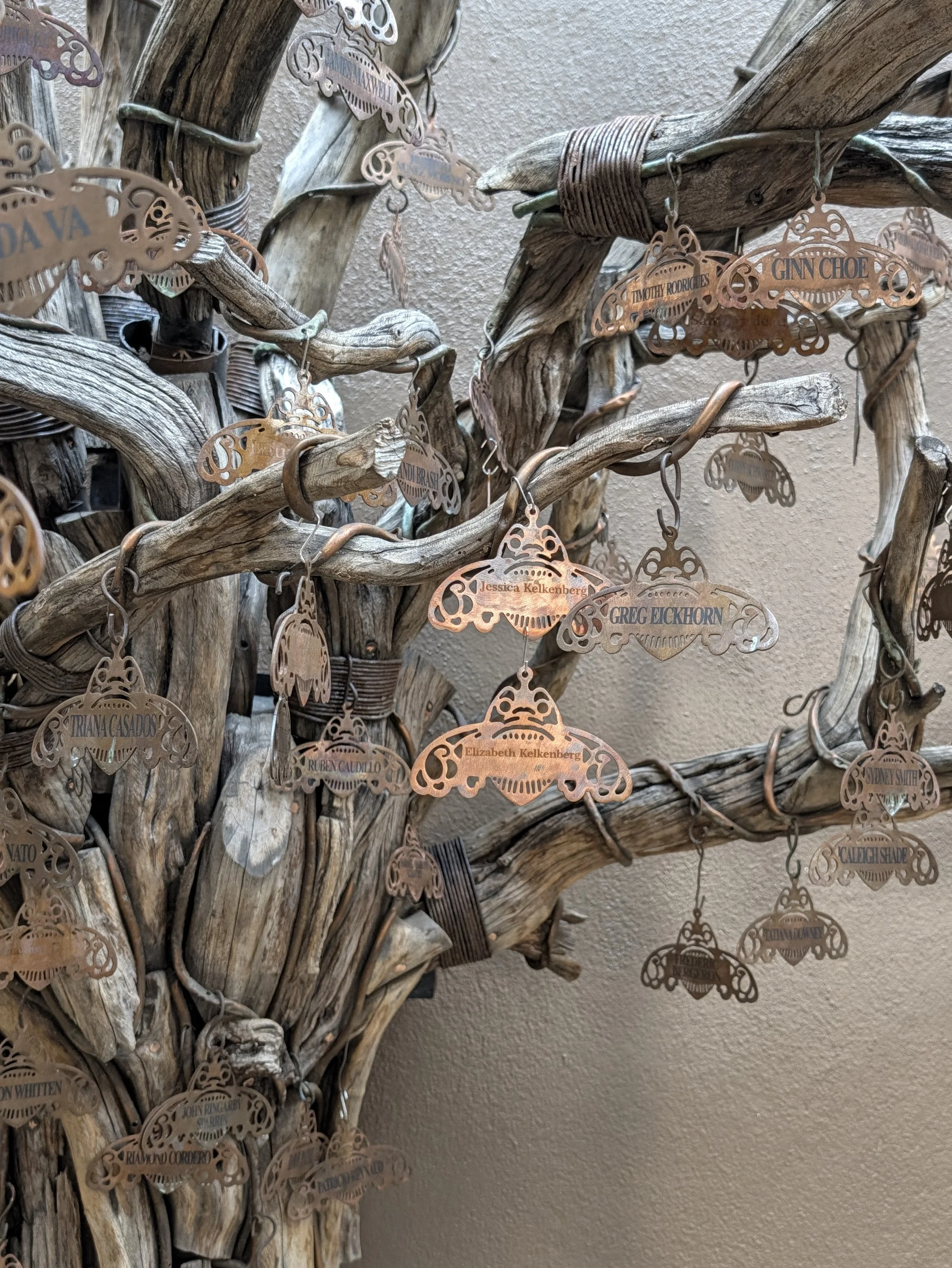
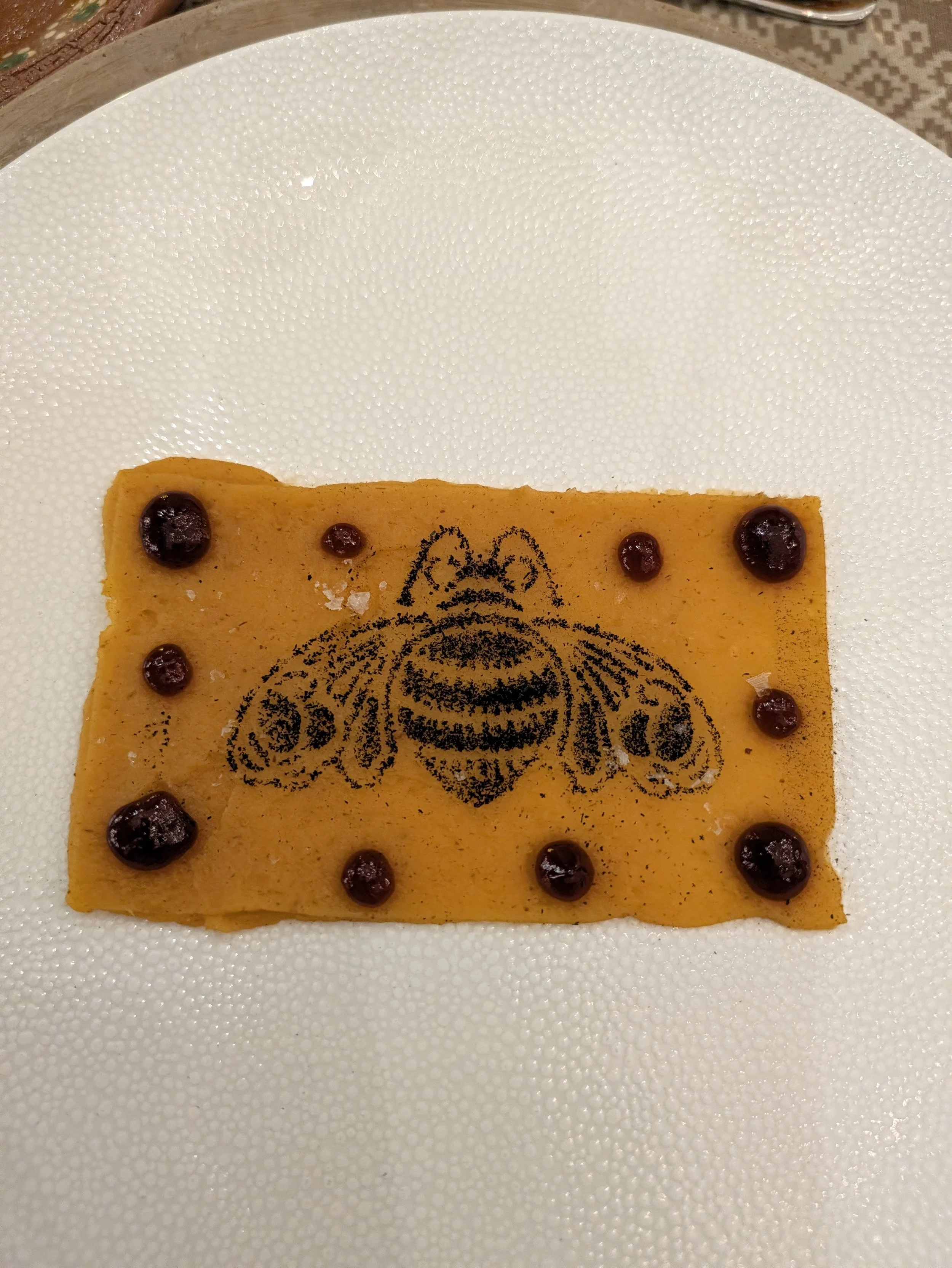
Each guest also received a copper bee engraved with their name and hung it on the vines at the hotel, a small ritual that tied every visitor to the property and to the Patrón family without anyone having to ask for anything in return.
WHAT WAX AND TRACKS TAKES HOME

A plant that waits six years for its harvest and a festival laying groundwork for 2027 run on the same clock, and the hacienda showed what that clock looks like when the people at every step are treated well. Thank you again to Bacardi and Patrón for opening the doors, and to Pepe for walking the group through every step.
